

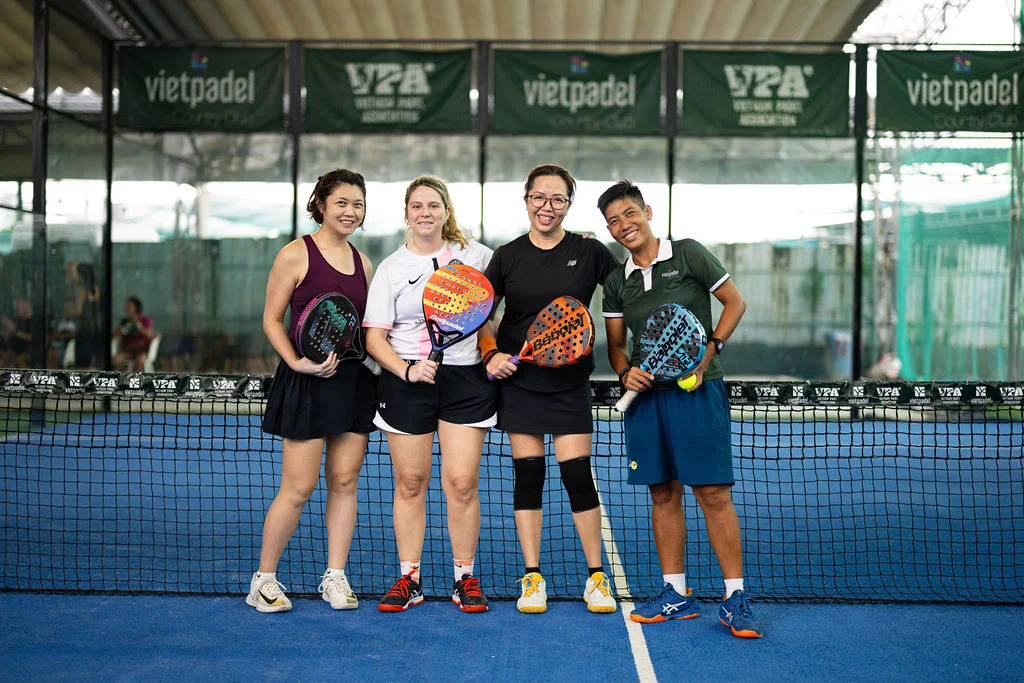
Padel Vinci: VietPadel-Linked Pop-Up Courts and Mixed-Level Tournament Experience
Padel Vinci: VietPadel-Linked Pop-Up Courts and Mixed-Level Tournament Experience
Introduction
Padel is rapidly growing across Southeast Asia, and one of the more interesting developments in this scene is the rise of flexible, community-driven playing environments. Padel Vinci is often associated with this movement, especially through https://tennispadelvinci.com/ connections to regional padel networks in Vietnam and Cambodia. Instead of being a traditional fixed membership club, it reflects a more dynamic system where players can join pop-up courts, casual meetups, and competitive yet friendly tournaments.
This model is reshaping how people experience padel—making it more social, more accessible, and far less rigid than conventional club structures.
What is Padel Vinci?
Padel Vinci can be understood as part of a broader ecosystem of rotating padel events and temporary court setups that connect players across different cities. Rather than functioning like a single permanent sports club, it is linked with event-based play formats where courts are set up for specific sessions, weekends, or tournament periods.
This flexibility is especially appealing in developing padel regions like Cambodia and Vietnam, where the sport is still expanding and infrastructure is growing step by step. Instead of waiting for full-scale club development, communities like this allow players to enjoy the game immediately through shared spaces and organized events.
VietPadel Network and Regional Connections
A key feature of Padel Vinci-style activity is its connection to regional padel groups, especially those associated with Vietnam and Cambodia padel communities. These groups often collaborate to organize:
- Pop-up court events in urban areas
- Weekend tournaments with rotating partners
- Mixed-level friendly matches
- Training sessions with visiting coaches
The idea is not just competition—it’s also community building across borders, where players from different skill levels and backgrounds can meet on the same court.
This cross-country connection helps strengthen the sport’s presence in Southeast Asia and creates a shared identity among players who might otherwise be isolated in smaller local scenes.
How Pop-Up Courts and Events Work
Unlike fixed padel clubs, pop-up courts are temporary installations placed in accessible locations such as sports complexes, tennis centers, or open urban spaces. Once set up, they usually run for a limited time—ranging from a single day event to a multi-week tournament cycle.
A typical Padel Vinci-linked event may include:
- Morning and evening match slots
- Skill-based group rotations
- Beginner-friendly courts alongside competitive brackets
- Short-format tournaments (fast scoring, multiple rounds)
Players often register in advance or join through community groups, making it easy for both newcomers and experienced athletes to participate without long-term commitments.
Who These Events Are For
One of the strongest advantages of this system is inclusivity. Padel Vinci-style events are designed for:
- Beginners learning padel for the first time
- Intermediate players seeking competitive experience
- Advanced players looking for fast-paced matches
- Travelers or expats wanting casual sports networking
Because matches are often organized in mixed-level formats, players are constantly rotated. This ensures balanced gameplay and encourages learning through real match experience rather than formal training alone.
Why It’s Growing in Cambodia and Vietnam
The rise of padel in Cambodia and Vietnam is driven by demand for social, easy-to-learn sports. Padel Vinci-style networks fit perfectly into this environment because they:
- Require less infrastructure than traditional clubs
- Encourage community participation over exclusivity
- Make it easy to host events in multiple cities
- Support rapid sport adoption among new players
As interest continues to grow, these pop-up systems often become stepping stones toward more permanent padel facilities.
Conclusion
Padel Vinci represents more than just courts or tournaments—it reflects a flexible, community-first approach to sport development in Southeast Asia. By linking VietPadel-style regional networks with pop-up events and mixed-level games, it creates a welcoming environment where anyone can step onto the court, learn quickly, and enjoy competitive yet friendly matches.
For players in Cambodia, Vietnam, or traveling through the region, it offers one of the most accessible ways to experience modern padel culture without needing membership or long-term commitment.